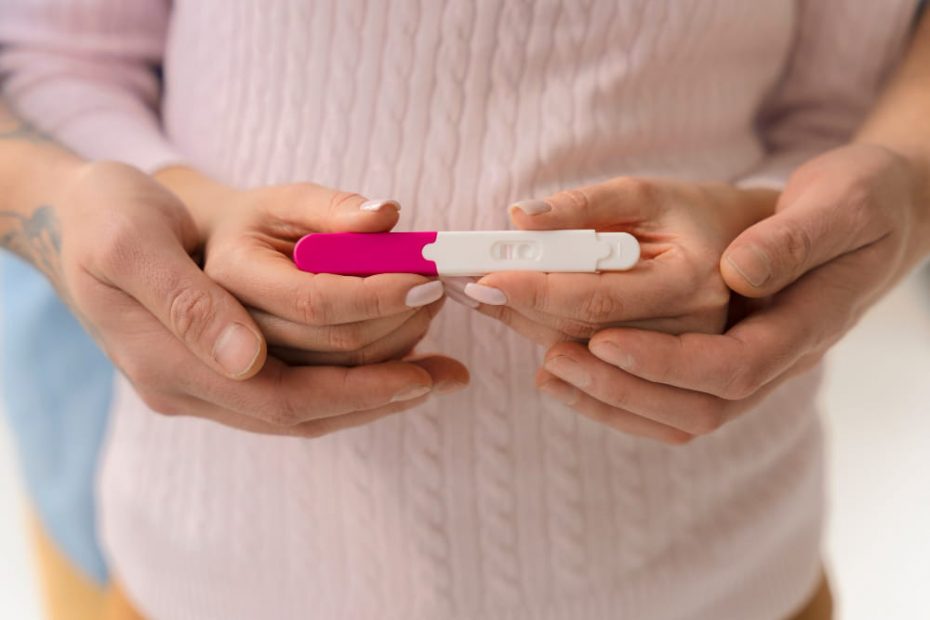
IVF is a fertility treatment that helps you get pregnant when natural conception is not happening. It means eggs and sperm are combined in a lab, and then an embryo is placed in the uterus. Many people look for the best Infertility Treatment in Newport Beach when they feel stuck after trying for months without success. IVF is often one of the options discussed during that stage.
If you are starting to explore fertility care, it can feel confusing at first. The process has several steps, each with a clear purpose. This guide walks you through IVF in simple language, so you know what happens and when.
Understanding IVF Explained Step-by-Step Through the Fertility Journey
IVF is not done in one visit. It is a process that takes time and planning. You move through each step with medical support and regular check-ins. Below is the full journey explained simply.
Step 1: First visit and basic testing
Your first appointment is a general health review. The doctor asks about your cycle, past pregnancies, and any medical conditions. You may also have blood tests and an ultrasound. These tests help show how your body is working and what might affect pregnancy. This step helps guide you toward the right treatment plan.
Step 2: Planning the IVF cycle
Once testing is complete, the doctor creates a plan. This includes timing, medication, and monitoring schedules. You will understand what days you need to come in and what medicines you may take. This step is important because every IVF plan is based on your body, not a fixed routine.
Step 3: Ovarian stimulation
At this stage, you take medicine to help your ovaries make more eggs than usual. Normally, your body releases one egg per month. IVF needs more eggs to increase chances. During this time, you visit the clinic for scans and blood work. These checks help track how the eggs are growing.
Step 4: Egg retrieval
When the eggs are ready, a short procedure is done to collect them. It is done in a clinic where you are put to sleep so you are comfortable. A thin needle is used to collect the eggs. The process is usually quick, and people go home the same day.
Step 5: Sperm collection and lab preparation
A sperm sample is collected from a partner or donor. The lab then prepares the sample by selecting healthy sperm. This step helps improve the chance of fertilization. Everything is done in a controlled lab setting.
Step 6: Fertilization process
Eggs and sperm are combined in the lab. In some cases, a single sperm is placed directly into an egg. This helps when fertilization may be difficult. After this step, embryos begin to form. This part is a key stage in IVF Explained Step-by-Step Through the Fertility Journey because it shows how pregnancy starts outside the body.
Step 7: Embryo growth and monitoring
The embryos are watched in the lab for several days. Specialists check how they divide and grow. Not all embryos continue developing, so only the strongest ones are selected. This helps improve the chance of success later.
Step 8: Embryo transfer
A selected embryo is placed into your uterus using a thin tube. This does not require surgery or anesthesia. The goal is for the embryo to attach to the uterus and begin pregnancy. After this step, you may rest briefly before returning to normal activities.
Step 9: Waiting period and pregnancy test
After the transfer, you wait about two weeks before a blood test. This time can feel slow because you do not yet know the result. The test checks if pregnancy has started. If it is positive, follow-up care begins. If not, your doctor may talk with you about next steps.
During this stage, some patients also learn more about support options through fertility care centers, such as fertility treatment resources in Newport Beach, Orange County, where different treatment paths are discussed based on individual needs.
In The End
IVF is a step-by-step process that helps many people who are trying to get pregnant. Each stage has a purpose, from testing to embryo transfer and the final pregnancy test. When you understand the process, it becomes easier to follow and less stressful.
If you are considering treatment, early evaluation can help you understand your options and plan ahead. The Center for Endometriosis and Fertility supports patients through testing, planning, and treatment based on their needs in Newport Beach, Orange County.
FAQs
1. When should I see a fertility specialist?
You should consider seeing a specialist if you have not gotten pregnant after 12 months of trying (or 6 months if you are over age 35). Early testing can help find issues sooner.
2. Is IVF painful?
Most steps are not painful, but you may feel mild discomfort during injections, egg retrieval, or bloating during stimulation.
3. How long does one IVF cycle take?
One cycle usually takes about 10-14 days of injections before the eggs are retrieved. There’s usually a rest period while the embryo grows in the lab, before the embryo transfer is performed.
4. Does IVF always work the first time?
No. Success depends on age, health, and other medical factors. Some people need more than one cycle.
5. Can I work during IVF treatment?
Most people continue normal work during IVF, but you may need time off on procedure days.