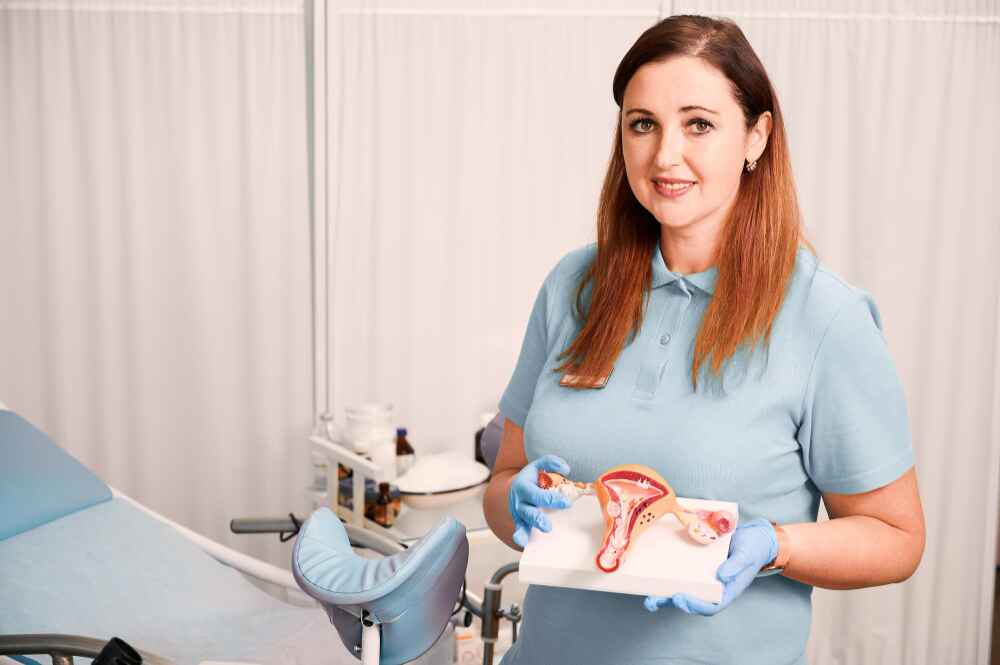
Bladder Endometriosis Treatment Los Angeles, CA | Comprehensive Treatment
Specialized Care for Bladder Endometriosis in Los Angeles
Bladder endometriosis occurs when endometriosis tissue affects the bladder and may cause pelvic pain, urinary discomfort, urgency, or other symptoms. Bladder endometriosis treatment in Los Angeles depends on the location and depth of disease, symptoms, and individual reproductive goals.
Because bladder symptoms can resemble urinary tract infections or other conditions, proper evaluation is important. A detailed assessment can help determine whether medication, surgery, or a combination of treatments may be appropriate. Patients may also seek care outside Los Angeles, including bladder endometriosis treatment in Newport Beach, depending on their location and treatment needs. A specialist can evaluate symptoms and recommend an appropriate approach based on the extent of the disease.
What Is Bladder Endometriosis?
Bladder endometriosis is a form of endometriosis in which tissue similar to the uterine lining grows on or within the bladder. It commonly affects the bladder’s outer surface but may extend deeper into the bladder wall.
Bladder involvement may occur with endometriosis affecting other pelvic organs. When lesions are deeper, they can cause more persistent urinary symptoms and may require specialized evaluation and treatment planning.
Bladder Endometriosis Symptoms
Symptoms can differ between patients depending on the location and severity of disease. Some urinary symptoms may become more noticeable before or during menstruation.
- Painful Urination: Burning, discomfort, or pain while urinating may become more noticeable before or during your menstrual period.
- Urinary Frequency: You may feel the need to urinate more often, even when your bladder is not full.
- Urinary Urgency: A sudden, strong need to urinate can occur when endometriosis affects tissues around the bladder.
- Blood in Urine: Blood may occasionally appear in the urine, particularly during menstruation, when bladder endometriosis becomes more active.
Why Bladder Endometriosis Can Be Difficult to Recognize
Bladder endometriosis can be difficult to recognize because its symptoms may resemble urinary infections, bladder irritation, or other urinary conditions. The timing of symptoms can provide an important clue.
When urinary symptoms repeatedly occur around menstruation or continue despite treatment for suspected infections, further evaluation may help identify whether endometriosis is contributing to the problem.
How Is Bladder Endometriosis Diagnosed?
Diagnosis begins with a review of symptoms, menstrual patterns, medical history, and previous treatments. Your doctor may also perform a pelvic examination and recommend imaging based on your symptoms.
- Pelvic Ultrasound: Ultrasound can assess pelvic structures and may help identify endometriosis involving the bladder or surrounding tissues.
- MRI: MRI can provide detailed information about deeper endometriosis and show its relationship with the bladder and nearby pelvic structures.
- Cystoscopy: Cystoscopy allows a doctor to examine the inside of the bladder when urinary involvement requires additional assessment.
- Laparoscopy: Laparoscopic evaluation allows direct examination of pelvic organs and can help identify endometriosis that may not be visible through imaging alone.
Bladder Endometriosis Treatment Options
Bladder endometriosis treatment depends on the severity of symptoms, depth of bladder involvement, other areas affected by endometriosis, and whether pregnancy is desired.
Hormonal Treatment
Hormonal medications may help manage symptoms by reducing hormonal stimulation associated with endometriosis. Options may include birth control medications, progestins, or other hormone-suppressing treatments.
Medication can be useful for some patients, particularly when symptoms are manageable, or surgery is not currently recommended. However, hormonal treatment does not physically remove endometriosis lesions from the bladder.
Bladder Endometriosis Surgery in Los Angeles
Bladder endometriosis surgery in Los Angeles may be considered when lesions are deep, symptoms remain significant, or medical treatment does not provide adequate relief. The surgical approach depends on disease location and depth.
Laparoscopic excision can remove visible endometriosis through small abdominal incisions. When disease extends deeply into the bladder wall, a partial bladder resection may be necessary to remove affected tissue and repair the bladder.
Robotic-Assisted Surgery
Robotic-assisted surgery may be considered in selected cases of complex or deeply infiltrating endometriosis. The approach allows surgery through small incisions while providing detailed visualization of the treatment area.
The appropriate surgical method depends on the location of lesions, previous procedures, overall health, and the surgeon’s assessment. Treatment should focus on removing disease while protecting surrounding healthy structures.
Multidisciplinary Care
Bladder endometriosis can sometimes involve the ureters or other parts of the urinary system. When this occurs, evaluation or treatment may require coordination between an endometriosis specialist and a urinary specialist.
A coordinated approach can help assess the full extent of disease before treatment. This may be particularly important when endometriosis is extensive or located close to delicate urinary structures.
Managing Ureteral Involvement
Endometriosis may sometimes affect or surround the ureters, which carry urine from the kidneys to the bladder. This can cause narrowing or obstruction and may require additional evaluation.
Ureteral involvement does not always produce obvious urinary symptoms. Imaging can therefore be important when deep pelvic endometriosis is suspected, helping determine whether nearby urinary structures also need treatment.
Recovery After Bladder Endometriosis Surgery
Recovery varies depending on the type and extent of surgery. Patients who undergo deeper bladder procedures may require additional monitoring while the bladder and surrounding tissues heal.
- Temporary Catheter: A urinary catheter may be used after bladder surgery to support drainage while the treated area heals.
- Pain Management: Mild pelvic discomfort may occur after surgery and can usually be managed according to your care team’s instructions.
- Activity Restrictions: Strenuous exercise and heavy lifting may need to be limited temporarily while the surgical area recovers.
- Urinary Changes: Temporary changes in urinary frequency, urgency, or comfort may occur during the healing period.
- Follow-Up Care: Follow-up visits allow your doctor to monitor healing, discuss symptoms, and assess bladder function after treatment.
- Return to Activities: Your healthcare team can guide you on when to resume work, exercise, and other normal daily activities.
Why Work With a Bladder Endometriosis Specialist?
Working with a bladder endometriosis specialist can be important when disease affects the urinary system or occurs alongside extensive pelvic endometriosis. Specialized evaluation may help identify the extent of disease and appropriate treatment options.
Detailed Disease Evaluation
A detailed evaluation can identify whether endometriosis affects the bladder, ureters, ovaries, bowel, or other pelvic structures. Understanding the complete disease pattern supports the right treatment planning.
Reviewing menstrual and urinary symptoms alongside imaging findings can help your doctor understand how disease may be affecting daily activities and determine which approach may be right.
Minimally Invasive Approaches
Laparoscopic procedures may allow surgeons to treat endometriosis through smaller abdominal incisions. When appropriate, minimally invasive approaches can address disease while limiting disruption to surrounding healthy tissue.
The surgical technique depends on lesion size, location, and depth. Your doctor may discuss the expected benefits, possible risks, recovery needs, and alternatives before treatment.
Treatment of Deep Disease
Deep endometriosis may require detailed imaging and careful surgical planning. When lesions extend into the bladder wall, treatment must address removal of disease while supporting normal bladder function.
In selected cases, removing part of the affected bladder wall may be necessary. Careful reconstruction and postoperative monitoring can support healing and help maintain urinary function.
Fertility-Focused Planning
Patients may have different reproductive goals when seeking treatment. Discussing plans for pregnancy before treatment allows those goals to be considered when evaluating medical and surgical options.
Treatment planning may also consider the presence of endometriosis affecting the ovaries, fallopian tubes, bowel, or other reproductive structures. Fertility evaluation may be appropriate for some patients.
Frequently Asked Questions About Bladder Endometriosis
Bladder endometriosis generally does not disappear without treatment. Symptoms can change over time, but evaluation can help determine appropriate management.
No. Some patients may manage symptoms with medication. Surgery may be recommended when disease is deep, symptoms are significant, or medical treatment is not effective.
Yes. Bladder endometriosis can sometimes cause blood in the urine, particularly around menstruation. This symptom should be evaluated to identify its underlying cause.

Dr. Sadikah Behbehani is in an OBGYN who specializes in Reproductive Endocrinology and Infertility as well as Minimally Invasive Gynecologic Surgery. She completed her 5 year OBGYN Residency at the well renowned McGill University in Montreal, Canada. She then completed a 2 year fellowship in Reproductive Endocrinology and Infertility (REI) at McGill University which makes her double board certified by the Royal College of Physicians & Surgeons of Canada in both OBGYN and REI. In addition, Dr. Behbehani completed a second fellowship in Minimally Invasive Gynecologic Surgery at the prestigious Mayo Clinic and can perform complex pelvic surgeries with both laparoscopy and robotics.
There are only a handful of physicians in the country with such training and being double fellowship trained in surgery and infertility allows Dr. Behbehani to treat complex gynecologic conditions affecting fertility such as endometriosis and fibroids.

Dr. Behbehani is very passionate about providing the best care to her patients, and she’s able to use her robotic skills and her fertility expertise to remove advanced endometriosis from the pelvis while still maintaining the integrity of the reproductive organs allowing them the best chances of pregnancy. With fibroid removal, Dr. Behbehani is able to skillfully remove large fibroids robotically, and expertly restore the anatomy of the uterus to reduce the chance of scar formation and improve pregnancy chances. Dr. Behbehani is also a mother herself, and feels passionate about helping patients start or grow their families. She is skilled in IVF and fertility treatment and has helped many patients become parents over the years.
As an Associate Professor at the University of California, Riverside School of Medicine, Dr. Behbehani is also heavily involved in medical research and publications. She’s presented at numerous national and international conferences, and her research is consistently quoted in women’s health. She’s a member of many international and national gynecologic societies including American Society of Reproductive Medicine (ASRM), American Association of Gynecological Laparoscopists (AAGL), and the Society of Gynecologic Surgeons (SGS). Click here for an overview of publications involving Dr. Sadikah Behbehani.
(949) 200-9038
1901 Newport Blvd, Suite 278 Costa Mesa, CA 92627