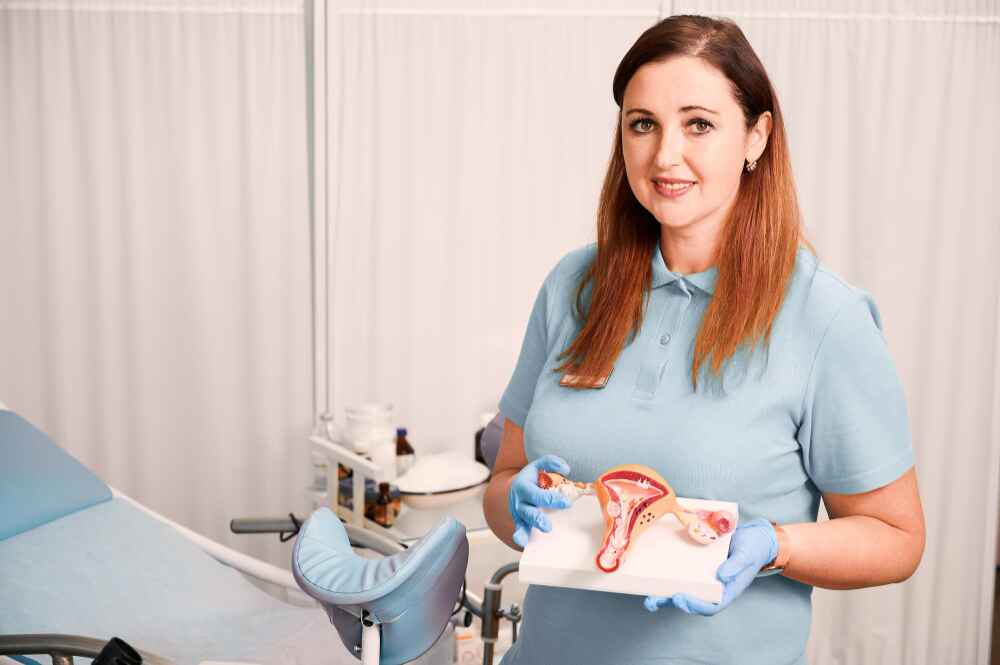
Pelvic Pain Specialist Newport Beach for Endometriosis and Fertility
Understanding What May Be Behind Ongoing Pelvic Pain
Pelvic pain can affect work, sleep, exercise, intimacy, and routines. Severe or recurring discomfort may signal endometriosis, fibroids, ovarian conditions, adenomyosis, or pelvic floor dysfunction. A pelvic pain specialist in Newport Beach can evaluate symptoms and consider how they relate to reproductive health.
The Center for Endometriosis and Fertility evaluates pelvic symptoms alongside fertility goals. Considering both concerns can help guide testing and treatment when pain and difficulty conceiving occur together.
Symptoms That May Point to an Underlying Pelvic Condition
Pain may feel like cramping, pressure, aching, or sharp discomfort. Its timing can provide useful clues, especially when symptoms change during menstruation or specific activities.
Painful Menstrual Cycles
Severe cramps that interfere with activities, work, or sleep may warrant evaluation for an underlying gynecologic condition.
Discomfort Outside Your Period
Pain between menstrual cycles or at unexpected times may require assessment rather than being treated as ordinary period discomfort.
Pain With Sexual Activity
Deep pelvic pain during or after intercourse can occur with endometriosis, adhesions, pelvic floor dysfunction, or other gynecologic conditions.
Bowel or Urinary Discomfort
Pain with bowel movements or urination, especially around menstruation, may provide clues about endometriosis or another pelvic condition.
Pelvic Pain With Fertility Concerns
When pelvic pain occurs with difficulty conceiving, evaluation may consider conditions affecting both symptoms and reproductive function.
Conditions That Can Contribute to Persistent Pelvic Discomfort
Reviewing menstrual patterns, medical history, examination findings, and fertility goals can help narrow the cause.
Endometriosis and Pelvic Symptoms
Endometriosis occurs when tissue similar to the uterine lining grows outside the uterus. Inflammation may cause painful periods, chronic discomfort, pain during intercourse, and bowel or bladder symptoms.
Fibroids and Uterine Discomfort
Fibroids are noncancerous uterine growths. Their size and location can influence pelvic pressure, cramping, heavy bleeding, and fertility.
Ovarian Causes of Pelvic Pain
Ovarian cysts and other ovarian conditions can produce pressure, aching, or sudden pain. Evaluation can help determine whether the ovaries are contributing to symptoms.
Pelvic Floor Muscle Conditions
Pelvic floor muscles can become tight, weak, or painful. Dysfunction may contribute to ongoing discomfort and sometimes occurs alongside another pelvic condition.
Adenomyosis and Menstrual Pain
Adenomyosis occurs when tissue similar to the uterine lining grows within the uterine muscle. It may cause painful periods, heavy bleeding, pressure, and persistent discomfort.
How Endometriosis May Influence Conception
Endometriosis may affect fertility through inflammation, adhesions, ovarian involvement, and changes in pelvic anatomy. Fertility testing can clarify reproductive concerns.
Age, ovarian reserve, fallopian tube function, disease location, previous treatment, and time spent trying to conceive may influence care.
Pelvic Adhesions and Reproductive Function
Endometriosis-related adhesions can connect pelvic structures and affect the position or movement of the ovaries and fallopian tubes.
Endometriomas and Ovarian Health
Endometriosis can cause ovarian endometriomas. Pelvic pain treatment in Newport Beach may need to balance symptom management with preservation of healthy ovarian tissue when fertility is important.
Inflammation Within the Pelvis
Inflammation may alter the pelvic environment and potentially affect reproductive processes. Fertility testing can help identify whether endometriosis is contributing to conception difficulties.
Pain With Sexual Activity
Deep intercourse-related pain can occur when endometriosis affects specific pelvic areas. Identifying its source can guide treatment for endometriosis, pelvic floor dysfunction, or another condition.
Changes Involving the Reproductive Organs
Extensive disease and adhesions can alter pelvic anatomy. Imaging or surgical evaluation may provide additional information for treatment planning.
What to Expect From a Pelvic Pain Doctor in Newport Beach Evaluation
Evaluation begins with questions about pain, menstrual cycles, previous diagnoses, surgeries, medications, fertility treatment, and reproductive goals.
Ultrasound can assess reproductive organs and certain abnormalities. MRI helps the pelvic pain doctor in Newport Beach to provide additional detail when deeper endometriosis or another complex condition is suspected.
Key Parts of a Pelvic Pain Assessment
- Symptom Review: Your pelvic pain specialist may ask about pain location, timing, severity, duration, and triggers.
- Medical History: Previous diagnoses, surgeries, medications, and treatment responses provide important context.
- Physical Examination: An examination may identify tenderness, masses, or findings requiring additional evaluation.
- Diagnostic Imaging: Ultrasound or MRI may provide more information about pelvic structures.
- Fertility Evaluation: Assessment may consider ovarian reserve, reproductive anatomy, ovulation, and other factors affecting conception.
Exploring Options for Pelvic Pain Treatment in Newport Beach
Treatment depends on the condition causing symptoms, their severity, previous care, and reproductive plans. Options may include medication, physical therapy, minimally invasive surgery, or fertility treatment.
The Center for Endometriosis and Fertility combines gynecologic care with reproductive medicine and minimally invasive surgery, allowing treatment decisions to consider pelvic symptoms and fertility goals.
Medication for Symptom Management
Hormonal treatment may help manage endometriosis symptoms for patients who are not actively trying to conceive. Pain medication may also be considered based on diagnosis.
Surgical Treatment for Endometriosis
Surgery may be considered when endometriosis causes substantial symptoms, affects anatomy, or does not respond adequately to other approaches. Excision removes visible lesions while considering nearby structures.
Physical Therapy for Pelvic Floor Symptoms
Pelvic floor physical therapy may help when muscle tension or dysfunction contributes to pain and can complement treatment for an underlying gynecologic condition.
Pelvic Pain Specialist Care When Pregnancy Is a Future Goal
Fertility plans can influence treatment timing. Some patients may benefit from surgery before fertility treatment, while others may move directly toward assisted reproduction. Age, ovarian reserve, anatomy, disease severity, and infertility duration can influence this decision.
Fertility Testing and Assessment
Testing can evaluate ovarian reserve, ovulation, reproductive anatomy, and other factors that may affect conception.
Surgical Management of Endometriosis
For selected patients, surgery may remove endometriosis or adhesions affecting pelvic anatomy. Benefits and risks should be considered carefully when fertility is a priority.
Intrauterine Insemination
IUI places prepared sperm into the uterus around ovulation. It may suit selected situations when the fallopian tubes and other reproductive factors are appropriate.
In Vitro Fertilization
IVF fertilizes eggs with sperm in a laboratory before an embryo is transferred into the uterus. It may be considered when endometriosis, tubal factors, or other concerns make assistance appropriate.
Preserving Future Fertility
Egg or embryo preservation may be considered when pregnancy is planned for later. A fertility specialist can discuss options when age, ovarian factors, or treatment could affect reproductive potential.
How Combined Gynecologic and Fertility Care Can Help
Pelvic pain and infertility can sometimes share an underlying cause. Endometriosis and fibroids may produce symptoms while also affecting reproductive anatomy, making coordinated evaluation useful.
The Center for Endometriosis and Fertility combines reproductive endocrinology with minimally invasive gynecologic surgery. Dr. Sadikah Behbehani has fellowship training in both areas.
Preparing for Your Pelvic Pain Consultation
Before your appointment, record when pain occurs, its severity, and whether it changes with menstruation, intercourse, bowel movements, or urination.
Bring relevant test results, medication information, and fertility records when available. These details can help your specialist review your history and determine whether further evaluation is needed.Patients looking for a pelvic pain specialist in Los Angeles can schedule an evaluation with our team.
Frequently Asked Questions About Pelvic Pain
Yes. Endometriosis, pelvic floor dysfunction, ovarian conditions, or other problems can occur together. A detailed assessment can help identify contributing factors.
Not necessarily. Pelvic pain has many possible causes, some of which are manageable. Persistent, severe, or disruptive symptoms should still be evaluated.
Yes. Certain pelvic conditions, including endometriosis near the bowel or bladder, can cause symptoms involving urination or bowel movements.
Previous imaging, operative reports, fertility testing, medication lists, and symptom notes can help your specialist understand your history and plan the evaluation.

Dr. Sadikah Behbehani is in an OBGYN who specializes in Reproductive Endocrinology and Infertility as well as Minimally Invasive Gynecologic Surgery. She completed her 5 year OBGYN Residency at the well renowned McGill University in Montreal, Canada. She then completed a 2 year fellowship in Reproductive Endocrinology and Infertility (REI) at McGill University which makes her double board certified by the Royal College of Physicians & Surgeons of Canada in both OBGYN and REI. In addition, Dr. Behbehani completed a second fellowship in Minimally Invasive Gynecologic Surgery at the prestigious Mayo Clinic and can perform complex pelvic surgeries with both laparoscopy and robotics.
There are only a handful of physicians in the country with such training and being double fellowship trained in surgery and infertility allows Dr. Behbehani to treat complex gynecologic conditions affecting fertility such as endometriosis and fibroids.

Dr. Behbehani is very passionate about providing the best care to her patients, and she’s able to use her robotic skills and her fertility expertise to remove advanced endometriosis from the pelvis while still maintaining the integrity of the reproductive organs allowing them the best chances of pregnancy. With fibroid removal, Dr. Behbehani is able to skillfully remove large fibroids robotically, and expertly restore the anatomy of the uterus to reduce the chance of scar formation and improve pregnancy chances. Dr. Behbehani is also a mother herself, and feels passionate about helping patients start or grow their families. She is skilled in IVF and fertility treatment and has helped many patients become parents over the years.
As an Associate Professor at the University of California, Riverside School of Medicine, Dr. Behbehani is also heavily involved in medical research and publications. She’s presented at numerous national and international conferences, and her research is consistently quoted in women’s health. She’s a member of many international and national gynecologic societies including American Society of Reproductive Medicine (ASRM), American Association of Gynecological Laparoscopists (AAGL), and the Society of Gynecologic Surgeons (SGS). Click here for an overview of publications involving Dr. Sadikah Behbehani.
(949) 200-9038
1901 Newport Blvd, Suite 278 Costa Mesa, CA 92627