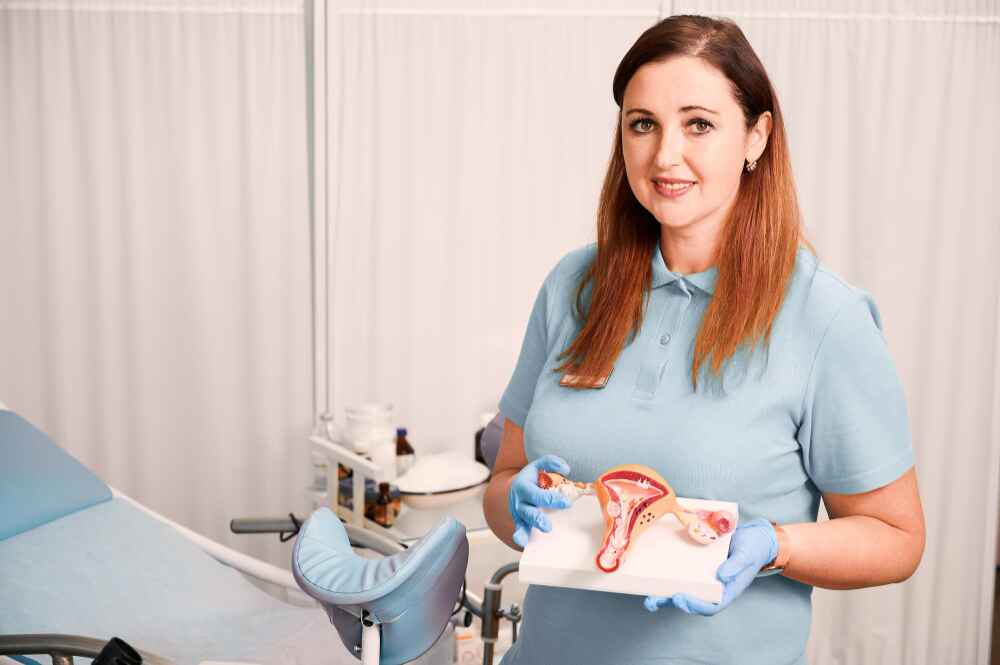
Bowel Endometriosis Treatment Los Angeles: Care Focused on Your Needs
Specialized Care for Bowel Endometriosis
Bowel endometriosis occurs when tissue similar to the uterine lining grows on or within the bowel. It may cause pelvic pain, painful bowel movements, bloating, constipation, diarrhea, and fertility concerns. Because digestive symptoms can resemble other conditions, an accurate evaluation is important.
At the Center for Endometriosis and Fertility, women can receive specialized care for bowel endometriosis treatment in Los Angeles. Treatment is based on symptoms, disease location, severity, previous treatment, and reproductive goals. When surgery is appropriate, the treatment plan focuses on removing disease while preserving healthy tissue whenever possible.
What You Should Know About Bowel Endometriosis
Bowel endometriosis can develop when endometriosis lesions grow on or within the intestinal tract. It most commonly involves the rectum or sigmoid colon, although other bowel areas may also be affected.
The lesions respond to hormonal changes during the menstrual cycle. This can cause inflammation, irritation, and scar tissue. Adhesions may also form between the bowel and nearby reproductive organs, potentially changing their normal position.
Common Areas of Bowel Involvement
- Rectum: Endometriosis near the rectum may cause painful bowel movements, pelvic pressure, or discomfort during menstruation.
- Sigmoid Colon: Disease in this area may contribute to cramping, constipation, diarrhea, or changes in normal bowel habits.
- Small Intestine: Although less common, lesions involving the small intestine may produce abdominal discomfort, bloating, or digestive changes.
- Bowel Surface: Superficial lesions may develop on the outside of the bowel and contribute to inflammation or surrounding adhesions.
- Deeper Bowel Tissue: Some lesions can extend into deeper bowel layers and may require specialized surgical evaluation and treatment.
- Nearby Pelvic Organs: Bowel endometriosis can occur alongside disease involving the ovaries, fallopian tubes, bladder, or pelvic lining.
Signs and Symptoms of Bowel Endometriosis
Bowel endometriosis may produce symptoms involving both the digestive and reproductive systems. Symptoms can become more noticeable before or during menstruation, although some women experience discomfort throughout the month.
Symptoms You Should Not Ignore
- Painful Bowel Movements: Pain during bowel movements, particularly around menstruation, may occur when endometriosis involves the rectum or surrounding pelvic tissues.
- Bloating and Abdominal Pain: Hormonal changes and inflammation may contribute to recurring bloating, abdominal discomfort, cramping, or a feeling of pressure.
- Changes in Bowel Habits: Constipation, diarrhea, or alternating bowel patterns may occur, especially when symptoms repeatedly follow the menstrual cycle.
Bowel Endometriosis and Fertility Concerns
Bowel endometriosis may occur together with endometriosis affecting the ovaries, fallopian tubes, and other reproductive structures. Inflammation and adhesions can sometimes interfere with normal pelvic anatomy and reproductive function.
How Bowel Endometriosis May Influence Fertility
Pelvic Inflammation
Inflammation associated with endometriosis can create changes within the pelvic environment. This may occur alongside disease involving reproductive organs and other pelvic tissues.
Ongoing inflammation may contribute to discomfort and scar tissue. Your specialist can evaluate the overall extent of disease when discussing fertility and treatment options.
Adhesions Around Reproductive Organs
Adhesions can cause pelvic organs to become attached to surrounding tissues. This may interfere with the normal movement of the ovaries and fallopian tubes.
When adhesions are extensive, they can make conception more difficult. Treatment decisions should consider both disease severity and plans for pregnancy.
Ovarian Endometriomas
Some women with endometriosis develop ovarian endometriomas, which are cysts associated with endometriosis. Their size, location, and impact on ovarian tissue require careful evaluation.
When fertility is a priority, treatment should consider ovarian health and reserve. Bowel endometriosis surgery in Los Angeles may be discussed alongside fertility planning when appropriate.
Fallopian Tube Function
Endometriosis and adhesions can sometimes alter the position or function of the fallopian tubes. This may interfere with the normal movement of an egg.
A fertility evaluation can provide additional information about tubal function. Your care plan can then be developed around your reproductive goals.
How Bowel Endometriosis Is Diagnosed
Diagnosis begins with a detailed review of symptoms, menstrual patterns, medical history, and reproductive goals. Your doctor may also perform a pelvic examination to identify tenderness or other findings. An evaluation can help determine whether symptoms may be related to bowel endometriosis or another condition.
For patients exploring bowel endometriosis treatment in Newport Beach, appropriate diagnostic testing can provide valuable information before treatment begins. Ultrasound may evaluate the reproductive organs and certain areas of endometriosis, while MRI can provide additional detail when deeper bowel involvement is suspected.
Steps in Your Evaluation
- Medical History: Your doctor reviews symptoms, menstrual patterns, previous diagnoses, surgeries, medications, and fertility concerns.
- Symptom Review: The timing and severity of pelvic and digestive symptoms can provide useful clues about possible endometriosis.
- Pelvic Examination: An examination may identify tenderness, pelvic masses, or other findings requiring additional investigation.
- Ultrasound: Pelvic ultrasound can help evaluate the ovaries, uterus, and certain types of endometriosis.
- MRI: MRI may provide additional information about deep endometriosis and possible involvement of the bowel or nearby structures.
- Laparoscopy: In selected cases, minimally invasive surgery may allow direct evaluation and treatment of visible endometriosis.
- Endometriosis Bowel Excision Surgery: This surgery is recommended when bowel endometriosis extends deeper into affected tissue or produces significant symptoms. Laparoscopic techniques may allow treatment through small abdominal incisions. During endometriosis bowel excision surgery in Los Angeles, careful attention is given to surrounding organs and healthy bowel tissue. Complex cases may require coordination between gynecologic and colorectal surgical specialists.
When Surgery May Be Considered
Persistent Pelvic Pain
Severe or ongoing pelvic pain that does not improve with appropriate medical treatment may lead your specialist to discuss surgical options.
The decision depends on the suspected cause of pain and the location and severity of endometriosis. Surgery may be considered when lesions contribute significantly to symptoms.
Significant Bowel Symptoms
Painful bowel movements, recurring bowel changes, or symptoms that follow a menstrual pattern may indicate bowel involvement requiring further evaluation.
If testing confirms significant disease, surgery may be discussed based on the depth and location of affected tissue and your overall health.
Deep Endometriosis
Deep endometriosis can extend into tissues beneath the pelvic surface and may involve the bowel or nearby organs.
Because deeper disease can be more complex, treatment should be carefully planned by clinicians familiar with advanced endometriosis and minimally invasive surgery.
Endometriomas
Ovarian endometriomas may occur alongside bowel endometriosis. Their size, symptoms, and potential influence on fertility can help determine whether surgical treatment is appropriate.
When surgery is considered, preserving healthy ovarian tissue is an important consideration, especially for women who want to become pregnant.
Adhesions
Extensive adhesions may connect the bowel with reproductive organs or surrounding pelvic tissues. These can contribute to pain and changes in normal anatomy.
Surgical treatment may include carefully separating adhesions when appropriate. The approach depends on their location and relationship to surrounding structures.
Fertility Considerations
Fertility goals can influence decisions about whether and when surgery should be performed. Your bowel endometriosis specialist may discuss reproductive plans before recommending an operation.
For some patients, treating endometriosis may be considered before pregnancy attempts. Others may benefit from fertility treatment depending on their individual circumstances.
Specialized Bowel Endometriosis Care in Los Angeles
Persistent bowel or pelvic symptoms that repeatedly worsen around menstruation deserve appropriate medical evaluation. Identifying the source of symptoms can help determine whether medication, surgery, fertility care, or another approach is appropriate.
The Center for Endometriosis and Fertility provides specialized evaluation and treatment for women with endometriosis and fertility concerns. If bowel endometriosis is suspected, an experienced specialist can help you explore appropriate treatment options based on your symptoms, diagnosis, and family-building goals.
Frequently Asked Questions About Bowel Endometriosis
Bowel endometriosis occurs when tissue similar to the uterine lining grows on or within the bowel. It can cause pelvic pain, bowel discomfort, bloating, and menstrual-related digestive symptoms.
Common symptoms include painful bowel movements, constipation, diarrhea, bloating, pelvic pain, rectal pressure, pain during intercourse, and digestive symptoms that worsen around menstruation.
No. Treatment depends on symptoms, disease location, depth, previous treatment, and fertility goals. Some patients may manage symptoms medically, while others may benefit from surgery.
Endometriosis can recur after treatment. Follow-up care allows your specialist to monitor symptoms and discuss appropriate options for ongoing management based on your individual needs.
Consider an evaluation if you experience persistent pelvic pain, painful bowel movements, menstrual-related digestive symptoms, or difficulty becoming pregnant. Specialist assessment can help identify potential causes.

Dr. Sadikah Behbehani is in an OBGYN who specializes in Reproductive Endocrinology and Infertility as well as Minimally Invasive Gynecologic Surgery. She completed her 5 year OBGYN Residency at the well renowned McGill University in Montreal, Canada. She then completed a 2 year fellowship in Reproductive Endocrinology and Infertility (REI) at McGill University which makes her double board certified by the Royal College of Physicians & Surgeons of Canada in both OBGYN and REI. In addition, Dr. Behbehani completed a second fellowship in Minimally Invasive Gynecologic Surgery at the prestigious Mayo Clinic and can perform complex pelvic surgeries with both laparoscopy and robotics.
There are only a handful of physicians in the country with such training and being double fellowship trained in surgery and infertility allows Dr. Behbehani to treat complex gynecologic conditions affecting fertility such as endometriosis and fibroids.
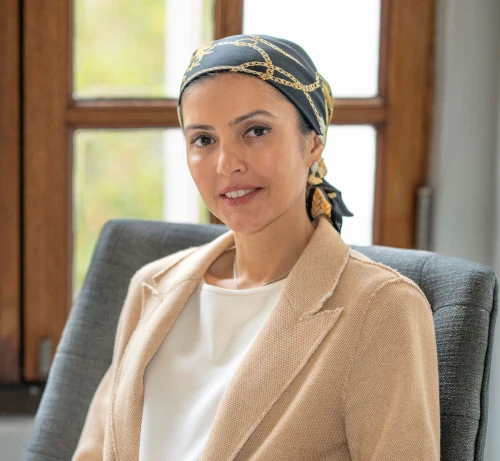
Dr. Behbehani is very passionate about providing the best care to her patients, and she’s able to use her robotic skills and her fertility expertise to remove advanced endometriosis from the pelvis while still maintaining the integrity of the reproductive organs allowing them the best chances of pregnancy. With fibroid removal, Dr. Behbehani is able to skillfully remove large fibroids robotically, and expertly restore the anatomy of the uterus to reduce the chance of scar formation and improve pregnancy chances. Dr. Behbehani is also a mother herself, and feels passionate about helping patients start or grow their families. She is skilled in IVF and fertility treatment and has helped many patients become parents over the years.
As an Associate Professor at the University of California, Riverside School of Medicine, Dr. Behbehani is also heavily involved in medical research and publications. She’s presented at numerous national and international conferences, and her research is consistently quoted in women’s health. She’s a member of many international and national gynecologic societies including American Society of Reproductive Medicine (ASRM), American Association of Gynecological Laparoscopists (AAGL), and the Society of Gynecologic Surgeons (SGS). Click here for an overview of publications involving Dr. Sadikah Behbehani.
(949) 200-9038
1901 Newport Blvd, Suite 278 Costa Mesa, CA 92627