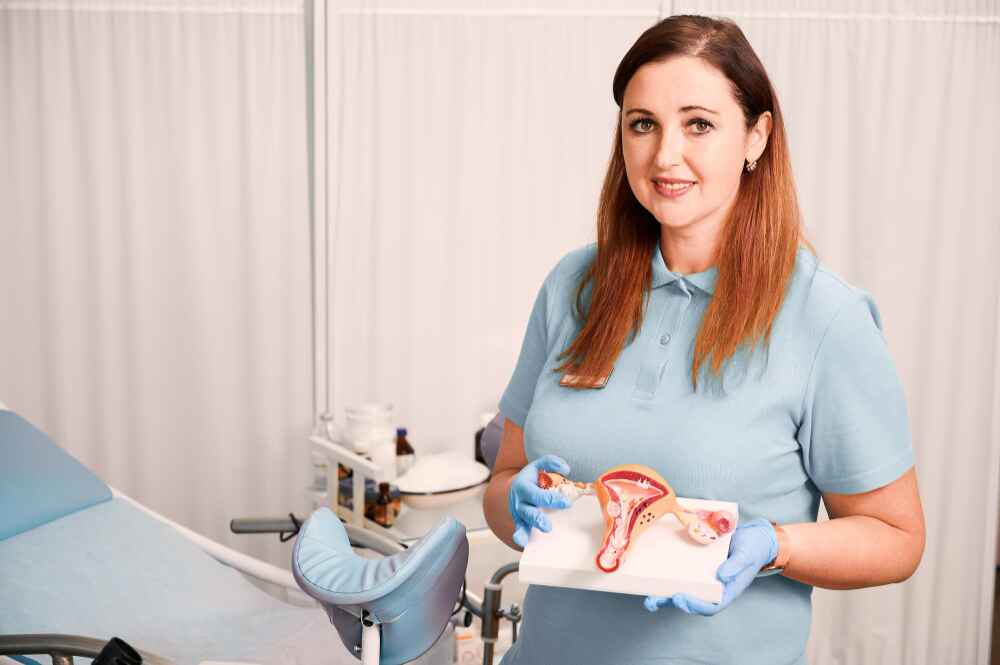
IVF Los Angeles: Advanced Fertility Treatment
Understanding In Vitro Fertilization and How It Works
IVF in Los Angeles is a fertility treatment that combines eggs and sperm in a laboratory to create embryos. A suitable embryo is later transferred into the uterus for potential pregnancy.
Initial Fertility Assessment: Your specialist reviews your medical history and may recommend blood tests, ultrasound, and other evaluations before beginning the IVF process.
Ovarian Stimulation: Fertility medications encourage the ovaries to develop several follicles, allowing multiple eggs to mature during one treatment cycle.
Egg Retrieval: Once the follicles reach the appropriate stage, a fertility specialist retrieves mature eggs using ultrasound guidance during a short medical procedure.
Fertilization in the Laboratory: Retrieved eggs are combined with sperm to encourage fertilization. ICSI may be considered when certain sperm-related fertility concerns are present.
Embryo Development: Fertilized eggs are monitored in the laboratory as they develop into embryos over several days before an embryo is selected.
Embryo Transfer: A selected embryo is placed inside the uterus using a thin catheter. Pregnancy testing follows after an appropriate waiting period.
When IVF May Be the Right Fertility Option
IVF may be considered when pregnancy has not occurred naturally, other fertility treatments have been unsuccessful, or certain reproductive conditions make conception more difficult.
Fertility Challenges Affecting the Female Reproductive System
Tubal Factors: Blocked or damaged fallopian tubes can prevent sperm and egg from meeting. IVF bypasses the tubes by allowing fertilization to occur outside the body.
Irregular Egg Release: Problems with ovulation can make conception difficult. IVF uses fertility medications to encourage the development of multiple eggs during a treatment cycle.
Egg Supply Concerns: A reduced ovarian reserve may affect the number of eggs available for fertilization. Testing can help your specialist evaluate your remaining egg supply.
Changes With Age: Fertility can decline with increasing age because egg quantity and quality may decrease. IVF may provide another option for individuals facing these challenges.
Uterine Health Issues: Certain conditions affecting the uterus can interfere with implantation or pregnancy. Your fertility specialist can assess these factors before recommending treatment.
Male Fertility Factors That May Require IVF
Sperm Quantity: A low sperm count can reduce the chance of natural fertilization. IVF may provide an alternative by bringing eggs and sperm together under laboratory conditions.
Sperm Movement: Reduced motility can make it difficult for sperm to reach and fertilize an egg. ICSI may sometimes be considered during IVF treatment.
Sperm Structure: Abnormal sperm morphology may affect fertilization. Your specialist can review semen analysis results and determine whether assisted reproductive treatment may be appropriate.
Endometriosis, Unexplained Infertility, and Other Causes
Endometriosis-Related Infertility: Endometriosis may affect reproductive organs and conception. IVF can be considered when the condition contributes to difficulty becoming pregnant.
Inherited Conditions: IVF may be considered when there is a known risk of passing certain genetic conditions to a child. Embryo testing may be discussed when appropriate.
IUI vs IVF is an important consideration for individuals exploring fertility treatment. IUI places prepared sperm directly into the uterus, while IVF involves retrieving eggs, fertilizing them in a laboratory, and transferring an embryo into the uterus. IVF may also be part of family building for same-sex patients, sometimes alongside surrogacy or egg donation, and California laws support these paths. Your fertility specialist can help determine which approach may be appropriate based on your fertility diagnosis, age, treatment history, and reproductive goals.
IVF Treatment Timeline: From Consultation to Pregnancy Testing
An IVF cycle involves several stages, beginning with fertility evaluation and preparation and continuing through egg retrieval, embryo development, transfer, and pregnancy testing. Many patients also compare communication style, continuity of care, and laboratory standards when planning fertility care, since successful outcomes depend significantly on the quality of the embryology lab. The timing can vary based on your treatment plan and response.
Getting Started With Your Fertility Evaluation
The first stage involves meeting with your fertility specialist to review your medical history and discuss factors that may be affecting conception.
Initial Consultation: At your first visit, your IVF doctor in LA should be a board-certified reproductive endocrinologist with training in reproductive endocrinology and infertility who reviews your fertility history, previous treatments, medical conditions, and fertility goals before developing an IVF plan.
Fertility Testing: Bloodwork, ultrasound, and semen analysis may be performed to evaluate reproductive health and determine whether IVF is appropriate.
Treatment Planning: Once you have completed fertility testing, you and your specialist can collaboratively decide on the best treatment plan, including the recommended medications, procedures, monitoring schedule, and expected timeline for your individual cycle.
Preparing for the IVF Cycle
Before ovarian stimulation begins, some patients may take birth control medication to help regulate the timing of treatment. Baseline bloodwork and ultrasound are also performed.
Ovarian Stimulation: Fertility medications are typically used for about 10 to 14 days to encourage the development of multiple mature follicles.
Regular Monitoring: Ultrasounds and blood tests help your fertility team track follicle growth and hormone levels throughout stimulation.
Trigger Injection: Once the follicles reach the appropriate stage, a trigger medication is given to support final egg maturation.
Moving From Egg Retrieval to Embryo Development and Genetic Testing
Egg retrieval generally takes place about 34 to 36 hours after the trigger injection. The retrieved eggs are then prepared for fertilization in the laboratory.
Egg Retrieval: Mature eggs are collected from the ovaries using ultrasound guidance during a procedure performed with appropriate sedation.
Sperm Collection: A partner or donor provides a sperm sample, which is processed to select sperm suitable for fertilization.
Fertilization: Eggs may be fertilized using conventional IVF or ICSI, where a single sperm is injected directly into a mature egg.
Completing Treatment With Embryo Transfer
Once embryo development is complete, the fertility team determines which embryo is appropriate for transfer based on your treatment plan.
Embryo Transfer: A selected embryo is placed into the uterus using a thin catheter during a relatively brief procedure.
Progesterone Support: Progesterone may be prescribed through injections, suppositories, or another method to support the uterine lining.
Two-Week Waiting Period: The period following embryo transfer can be emotionally challenging while you wait for pregnancy testing.
Pregnancy Test: A blood test measures hCG to determine whether implantation and early pregnancy have occurred.
IVF Treatment Costs Explained
The cost of IVF can vary depending on the treatment plan, medications, monitoring, laboratory procedures, and additional services required. Understanding these expenses beforehand, with clear financial transparency, can help you plan for treatment more confidently. The typical IVF cycle at the best IVF clinic in Los Angeles may range from $12,000 to $22,000. However, individual costs can differ, and insurance coverage for fertility treatments varies by state and by insurance plan.
Common Expenses That May Be Included
IVF Medications: Fertility medications used for ovarian stimulation can represent a significant portion of the overall treatment cost.
Monitoring Visits: Ultrasounds and blood tests are performed throughout stimulation to monitor follicle development and hormone levels.
Egg Retrieval: The retrieval procedure may include costs associated with medical staff, sedation, facility use, and ultrasound guidance.
Laboratory Services: Fertilization, embryo culture, and monitoring require specialized laboratory services and trained embryology professionals.
Frequently Asked Questions About IVF
Most IVF cycles take several weeks, including testing, ovarian stimulation, egg retrieval, embryo development, transfer, and pregnancy testing.
Most patients experience mild discomfort from injections, monitoring appointments, and retrieval procedures, but pain levels vary between individuals.
Success rates depend on age, fertility diagnosis, embryo quality, medical history, and several other factors unique to each patient.
Yes, IVF may help address male fertility factors, particularly when combined with specialized laboratory techniques such as ICSI.
The number depends on medical recommendations, embryo quality, patient age, and treatment goals established with your specialist
Your fertility specialist reviews the cycle results and may recommend treatment adjustments, additional testing, or another IVF attempt.

Dr. Sadikah Behbehani is in an OBGYN who specializes in Reproductive Endocrinology and Infertility as well as Minimally Invasive Gynecologic Surgery. She completed her 5 year OBGYN Residency at the well renowned McGill University in Montreal, Canada. She then completed a 2 year fellowship in Reproductive Endocrinology and Infertility (REI) at McGill University which makes her double board certified by the Royal College of Physicians & Surgeons of Canada in both OBGYN and REI. In addition, Dr. Behbehani completed a second fellowship in Minimally Invasive Gynecologic Surgery at the prestigious Mayo Clinic and can perform complex pelvic surgeries with both laparoscopy and robotics.
There are only a handful of physicians in the country with such training and being double fellowship trained in surgery and infertility allows Dr. Behbehani to treat complex gynecologic conditions affecting fertility such as endometriosis and fibroids.
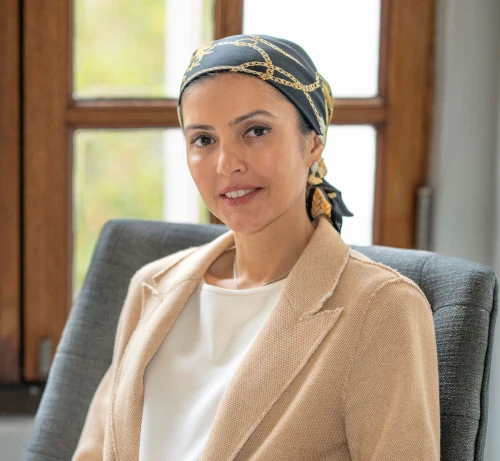
Dr. Behbehani is very passionate about providing the best care to her patients, and she’s able to use her robotic skills and her fertility expertise to remove advanced endometriosis from the pelvis while still maintaining the integrity of the reproductive organs allowing them the best chances of pregnancy. With fibroid removal, Dr. Behbehani is able to skillfully remove large fibroids robotically, and expertly restore the anatomy of the uterus to reduce the chance of scar formation and improve pregnancy chances. Dr. Behbehani is also a mother herself, and feels passionate about helping patients start or grow their families. She is skilled in IVF and fertility treatment and has helped many patients become parents over the years.
As an Associate Professor at the University of California, Riverside School of Medicine, Dr. Behbehani is also heavily involved in medical research and publications. She’s presented at numerous national and international conferences, and her research is consistently quoted in women’s health. She’s a member of many international and national gynecologic societies including American Society of Reproductive Medicine (ASRM), American Association of Gynecological Laparoscopists (AAGL), and the Society of Gynecologic Surgeons (SGS). Click here for an overview of publications involving Dr. Sadikah Behbehani.
(949) 200-9038
1901 Newport Blvd, Suite 278 Costa Mesa, CA 92627