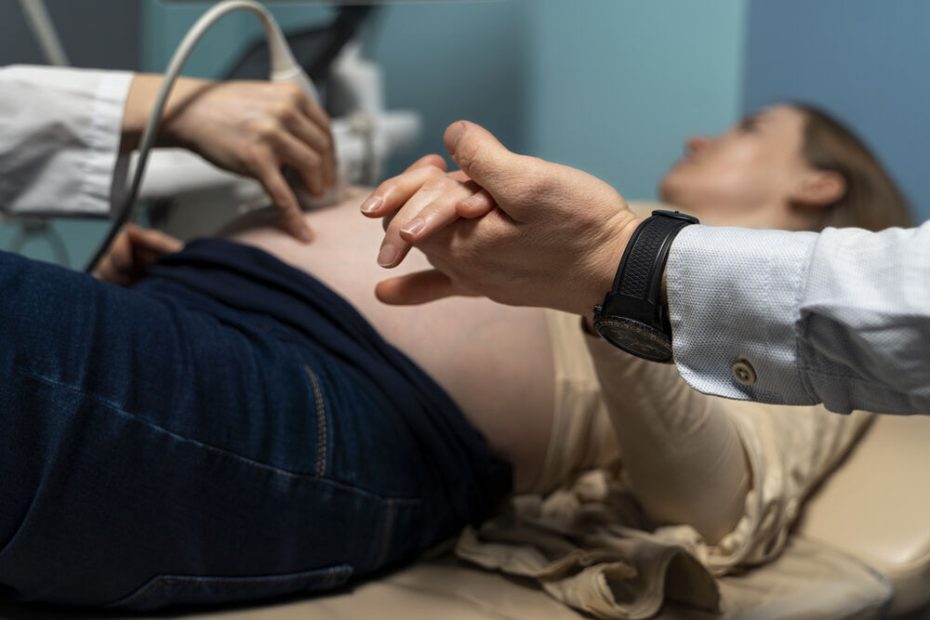
Hearing the word endometriosis for the first time can feel like a door closing on motherhood. Many women assume pregnancy is no longer possible once diagnosed. In reality, the picture is far more encouraging than most expect, and countless women go on to build the families they have always wanted.
Myth vs. Reality: Does Endometriosis Always Cause Infertility?
Endometriosis is often linked to infertility, but the link is less absolute than believed, with options like IVF in Los Angeles.
Myth: A Diagnosis Means You Cannot Get Pregnant
A diagnosis feels final, but it rarely closes the door on pregnancy for good. Many women with endometriosis conceive naturally, sometimes with small lifestyle or medical adjustments, and others need a bit of extra support along the way. The severity of the condition does not always predict how easily conception will happen, which is why an accurate evaluation from a specialist matters so much before assuming the worst.
Myth: Only Severe Cases Struggle With Fertility
It is easy to assume that only advanced or severe endometriosis affects fertility, but even mild or moderate cases can quietly interfere with ovulation, egg quality, or implantation. This is part of why some women struggle to conceive despite a seemingly minor diagnosis.
Fertility outcomes depend on where the tissue is located and how it affects the reproductive organs, not simply on how the condition is staged.
Myth: Treatment Always Means IVF
IVF is often the first word people associate with endometriosis and fertility, but it is not the only path forward. Depending on the individual, treatment might involve excision surgery to remove problematic tissue, hormonal therapy to manage symptoms, intrauterine insemination, or simple monitoring paired with lifestyle changes.
The right approach depends entirely on the patient’s specific diagnosis, age, and goals, and a good specialist will walk through each option honestly before recommending a next step.
What the Journey to Pregnancy Can Look Like
Consider a woman with mild endometriosis who spent months feeling anxious after her diagnosis. After a thorough evaluation and a minor surgical procedure to address the tissue causing her symptoms, she conceived naturally within several months. Her story reflects what many women with milder forms of the condition experience once the underlying issue is properly addressed by a specialist rather than left unmanaged.
Now picture a woman with moderate endometriosis who tried unsuccessfully to conceive for over a year and felt increasingly discouraged. After working with the team at Center for Endometriosis and Fertility, she moved through a combination of excision surgery followed by a few cycles of intrauterine insemination. The personalized plan, built around her specific anatomy and hormone levels, ultimately led to a successful pregnancy and a healthy delivery.
Common Threads Among Successful Journeys
Across these different scenarios, a few common threads consistently appear in successful pregnancy journeys after an endometriosis diagnosis.
- Early and Accurate Diagnosis: Women who receive a clear diagnosis early on tend to have more treatment options and more time to plan their next steps.
- Personalized Treatment Plans: No two cases of endometriosis are identical, so a treatment plan built around the individual’s specific anatomy and goals tends to work best.
- Specialist Involvement: Working with a physician who understands both the surgical and fertility sides of endometriosis often leads to more coordinated, effective care.
- Patience Through the Process: Fertility journeys rarely follow a straight line, and women who allow themselves time and flexibility often feel more supported through setbacks.
- Emotional Support Along the Way: Whether through a partner, a support group, or a care team, emotional support makes a meaningful difference in how women experience treatment.
Get A New Hope at Center for Endometriosis and Fertility
Every fertility journey with endometriosis looks different, but hope, patience, and expert guidance can change the outcome for the better. The team at Center for Endometriosis and Fertility works closely with each patient to build a plan suited to their needs, helping them move forward with clarity toward parenthood.
Frequently Asked Questions
No, treatment depends on severity. Some women need surgery or IUI, while others require IVF for the best results.
Excision surgery removes endometrial tissue that can interfere with ovulation or implantation, often improving the chances of natural conception.
If you have endometriosis and have been trying to conceive for six months to a year, consult a fertility specialist promptly.
Yes, age affects egg quality and quantity, so earlier evaluation and treatment generally lead to better long-term fertility outcomes.