Infertility Treatment Los Angeles: Understanding Your Options
Finding the Right Approach to Fertility Care
Difficulty becoming pregnant can have several possible causes, including ovulation problems, endometriosis, fibroids, fallopian tube conditions, diminished ovarian reserve, or male-factor infertility. Identifying the factors affecting fertility is an important first step in determining which treatment options may be appropriate.
The Center for Endometriosis & Fertility combines reproductive endocrinology with expertise in minimally invasive gynecologic surgery. This allows conditions that may affect conception to be evaluated alongside reproductive goals. Patients seeking infertility treatment in Newport Beach can receive evaluation for endometriosis, fibroids, and other gynecologic factors that may affect fertility. Dr. Sadikah Behbehani provides fertility care focused on identifying factors that may affect conception and determining appropriate treatment options.
Infertility Causes and Treatment
Infertility can involve the ovaries, uterus, fallopian tubes, ovulation, or sperm. In some cases, several factors may contribute to difficulty conceiving. Other patients may receive a diagnosis of unexplained infertility when standard testing does not identify a clear cause.
Common factors include:
- Ovulation disorders that affect the release of an egg
- Endometriosis and associated pelvic inflammation or adhesions
- Fibroids or other uterine conditions
- Blocked or damaged fallopian tubes
- Diminished ovarian reserve
- Age-related changes in fertility
- Male-factor infertility
- Unexplained infertility
Identifying the possible cause helps a fertility specialist determine which testing and treatment options may be appropriate.
When Should You Consider Infertility Treatment?
The timing of a fertility evaluation depends on age, reproductive history, and individual circumstances. People who have been trying to conceive without success may benefit from an evaluation rather than continuing to wait without identifying possible contributing factors.
An earlier assessment may be appropriate when there is a history of endometriosis, irregular or absent periods, previous pelvic surgery, known tubal problems, recurrent pregnancy loss, or concerns about ovarian reserve.
A fertility evaluation does not automatically mean that IVF will be necessary. Testing can provide information about reproductive health and help determine whether medication, IUI, surgery, IVF, or another approach may be appropriate.
How Is Infertility Diagnosed?
An infertility evaluation usually begins with a review of your medical, menstrual, pregnancy, and fertility history. Your specialist may then recommend tests based on your symptoms and reproductive goals.
Evaluation may include:
- Blood tests to assess reproductive hormones
- Ultrasound of the uterus and ovaries
- Ovarian reserve testing
- Assessment of ovulation
- Evaluation of the fallopian tubes
- Assessment of the uterine cavity when indicated
- Semen analysis for a male partner
When endometriosis, fibroids, or another pelvic condition is suspected, additional evaluation may be recommended. The results can help clarify whether the main concern involves ovulation, ovarian function, the reproductive anatomy, sperm factors, or more than one factor.
Infertility Treatment Options
Treatment depends on the cause of infertility and factors such as age, ovarian reserve, tubal function, sperm health, and previous treatment. Several approaches may be considered.
Ovulation Induction
Medications can be used to encourage ovulation in people who do not ovulate regularly. Treatment may include monitoring follicle development and determining the appropriate timing for intercourse or insemination.
Ovulation medications may be used alone or as part of another fertility treatment. The specific medication and monitoring plan depend on the underlying cause of the ovulation problem.
Intrauterine Insemination
Intrauterine insemination, or IUI, involves placing prepared sperm directly into the uterus around the time of ovulation. It may be considered for selected patients with unexplained infertility, certain ovulation problems, or some sperm-related factors.
IUI is not appropriate for every fertility diagnosis. Fallopian tube function, ovarian reserve, age, sperm health, and previous treatment history can influence whether it is a suitable option.
In Vitro Fertilization
In vitro fertilization, commonly called IVF, involves retrieving eggs and fertilizing them with sperm in a laboratory. Embryos are then developed, and an appropriate embryo may be transferred into the uterus.
IVF can be considered when other treatments are unlikely to be effective or when certain fertility factors make natural conception or IUI more difficult. It may also be an option for some patients with endometriosis-related infertility.
Fertility Surgery
Surgery may be considered when a structural condition is affecting fertility. Depending on the diagnosis, treatment may address endometriosis, fibroids, pelvic adhesions, or certain fallopian tube problems.
Minimally invasive surgery may be used when appropriate. For people with endometriosis, surgical treatment can address visible disease and adhesions affecting the pelvic anatomy. The decision to have surgery should consider factors such as age, ovarian reserve, symptoms, disease location, and reproductive goals.
Endometriosis and Infertility
Endometriosis can affect fertility in several ways. Inflammation and adhesions may change the position or function of the reproductive organs. Endometriosis can also involve the ovaries and, in some cases, affect ovarian reserve.
Not everyone with endometriosis will experience infertility. However, when conception is difficult, identifying the location and severity of endometriosis can help guide treatment decisions.
Treatment may include surgery, fertility medication, IUI, IVF, or a combination of approaches. The appropriate strategy depends on factors such as age, ovarian reserve, fallopian tube function, sperm health, symptoms, and the extent of endometriosis.
Choosing an Infertility Clinic in Los Angeles
When comparing an infertility clinic in Los Angeles, consider whether the practice offers the type of evaluation and treatment relevant to your fertility concerns. This can be particularly important when infertility occurs alongside endometriosis, fibroids, or other gynecologic conditions.
A clinic with both fertility and minimally invasive gynecologic expertise can evaluate reproductive health while also considering conditions that may interfere with conception. This can be useful when determining whether treatment should begin with fertility medication, assisted reproduction, surgery, or another approach.
Working With a Fertility Specialist in Los Angeles
A fertility specialist in Los Angeles can review your reproductive history, recommend appropriate testing, and explain available treatment options. The evaluation may also consider your age, ovarian reserve, menstrual cycle, previous pregnancies, medical conditions, and partner’s fertility factors.
At the Center for Endometriosis & Fertility, reproductive endocrinology and minimally invasive gynecologic surgery are part of the practice’s fertility care. This allows treatment decisions to take both fertility goals and gynecologic conditions into consideration.
What to Expect During Infertility Treatment
Treatment generally begins with an evaluation and diagnostic testing. Once the relevant factors have been identified, your specialist can discuss the available options and explain what each treatment involves.
Some patients may begin with medication or monitoring. Others may be candidates for IUI, IVF, or surgery. Treatment may also change if the initial approach does not produce the expected result.
For patients with endometriosis or another pelvic condition, fertility planning may involve deciding whether the condition should be treated before attempting conception or assisted reproductive treatment. These decisions are based on the individual’s reproductive circumstances rather than a single standard approach.
FAQs About Infertility Treatment
It may. Male-factor infertility can contribute to difficulty conceiving, so semen analysis is commonly considered as part of a fertility evaluation when appropriate.
Endometriosis involving the ovaries and certain treatments for ovarian endometriosis may affect ovarian reserve. Evaluation of ovarian reserve can therefore be an important part of fertility planning for some patients with endometriosis.
IUI places prepared sperm directly into the uterus around ovulation, while IVF involves retrieving eggs, fertilizing them outside the body, developing embryos, and transferring an embryo into the uterus. The appropriate option depends on the individual’s fertility factors.
Treatment decisions are generally based on the available diagnostic information. Completing appropriate testing first can help identify factors that may change which treatment is most suitable.

Dr. Sadikah Behbehani is in an OBGYN who specializes in Reproductive Endocrinology and Infertility as well as Minimally Invasive Gynecologic Surgery. She completed her 5 year OBGYN Residency at the well renowned McGill University in Montreal, Canada. She then completed a 2 year fellowship in Reproductive Endocrinology and Infertility (REI) at McGill University which makes her double board certified by the Royal College of Physicians & Surgeons of Canada in both OBGYN and REI. In addition, Dr. Behbehani completed a second fellowship in Minimally Invasive Gynecologic Surgery at the prestigious Mayo Clinic and can perform complex pelvic surgeries with both laparoscopy and robotics.
There are only a handful of physicians in the country with such training and being double fellowship trained in surgery and infertility allows Dr. Behbehani to treat complex gynecologic conditions affecting fertility such as endometriosis and fibroids.
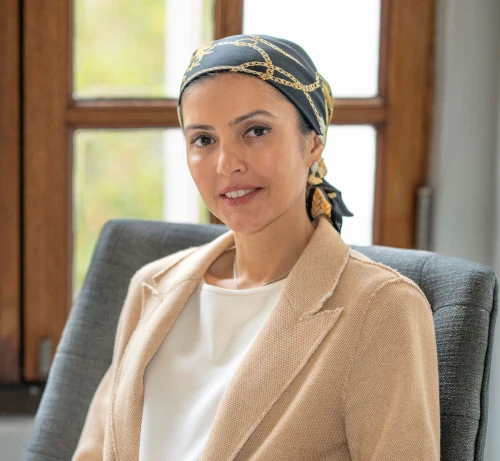
Dr. Behbehani is very passionate about providing the best care to her patients, and she’s able to use her robotic skills and her fertility expertise to remove advanced endometriosis from the pelvis while still maintaining the integrity of the reproductive organs allowing them the best chances of pregnancy. With fibroid removal, Dr. Behbehani is able to skillfully remove large fibroids robotically, and expertly restore the anatomy of the uterus to reduce the chance of scar formation and improve pregnancy chances. Dr. Behbehani is also a mother herself, and feels passionate about helping patients start or grow their families. She is skilled in IVF and fertility treatment and has helped many patients become parents over the years.
As an Associate Professor at the University of California, Riverside School of Medicine, Dr. Behbehani is also heavily involved in medical research and publications. She’s presented at numerous national and international conferences, and her research is consistently quoted in women’s health. She’s a member of many international and national gynecologic societies including American Society of Reproductive Medicine (ASRM), American Association of Gynecological Laparoscopists (AAGL), and the Society of Gynecologic Surgeons (SGS). Click here for an overview of publications involving Dr. Sadikah Behbehani.
(949) 200-9038
1901 Newport Blvd, Suite 278 Costa Mesa, CA 92627