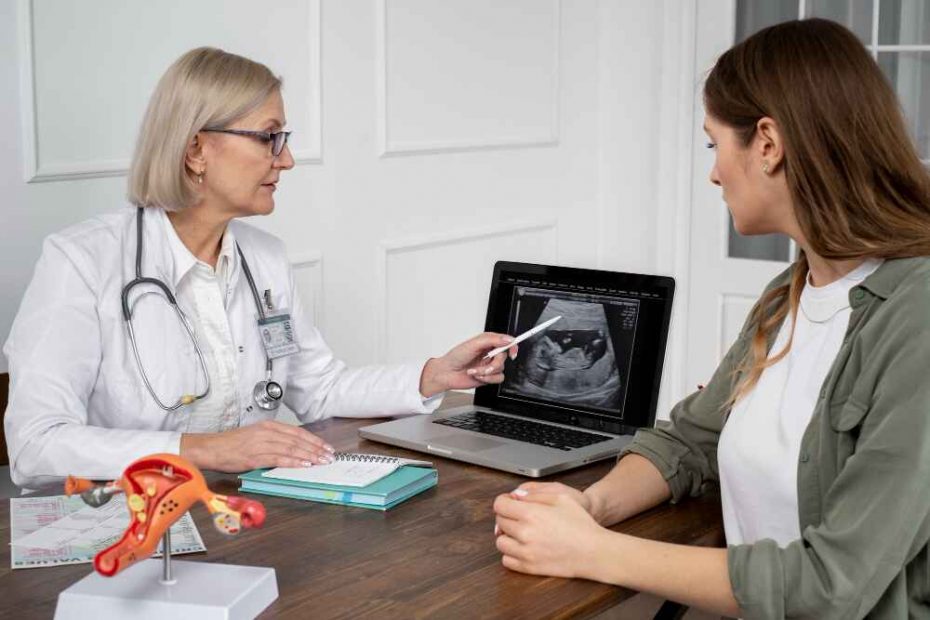
Living with endometriosis can feel overwhelming, especially when it affects your ability to conceive. Many women discover that the tissue growing outside their uterus creates barriers to natural pregnancy. The good news is that IVF offers hope. Understanding what to expect can make this journey less daunting. If you’re exploring treatment options, consulting the best IVF clinics in Newport Beach, California, can provide personalized guidance for your unique situation.
Know Why IVF Works for Endometriosis
Endometriosis creates multiple obstacles to natural conception. The condition causes inflammation, scarring, and adhesions throughout the pelvic region. These physical barriers can block the fallopian tubes and distort reproductive anatomy. Hormonal imbalances further complicate matters by affecting ovulation and egg quality.
Success rates vary based on several factors. Disease severity plays a significant role in outcomes. Women with minimal endometriosis typically see better results than those with advanced stages. Age remains the most critical factor regardless of disease stage. Younger women generally experience higher success rates, while those over 35 face additional challenges that require consideration from an endometriosis specialist in Newport Beach, CA.
Preparing for IVF: Key Considerations
- Surgery Before IVF: Surgical excision removes endometrial lesions and scar tissue, potentially improving natural conception chances during the six to twelve-month post-surgery window before starting IVF.
- Managing Endometriomas: These blood-filled cysts complicate egg retrieval by increasing infection risk, requiring careful evaluation to decide between removal, drainage, or leaving them intact during treatment.
- Health Optimization: Anti-inflammatory diets, targeted supplements, and stress management techniques like yoga help manage symptoms and improve overall treatment outcomes when started months before IVF.
- Timeline Planning: Age and disease severity determine whether to try surgery first or proceed directly to IVF, with specialists weighing ovarian reserve against treatment urgency.
The IVF Process with Endometriosis
The journey begins with a comprehensive fertility evaluation. Your doctor will assess ovarian reserve through blood tests and ultrasounds. Understanding your egg quality and quantity helps create an effective treatment protocol. Partner evaluation ensures all fertility factors are addressed appropriately.
Ovarian stimulation protocols are tailored for endometriosis patients. Medications stimulate your ovaries to produce multiple eggs. Close monitoring tracks follicle development through blood tests and ultrasounds. The stimulation phase typically lasts ten to fourteen days. Your body’s response determines when egg retrieval should occur.
Egg retrieval requires special consideration with endometriosis. The presence of endometriomas increases infection risk during the procedure. Your surgical team takes extra precautions to minimize complications. The procedure itself takes about twenty to thirty minutes under sedation.
Embryo transfer faces unique challenges with endometriosis. The inflammatory environment can affect implantation success. Progesterone resistance may interfere with uterine receptivity. Some protocols include additional medications to improve the uterine lining. Timing the transfer precisely maximizes your chances of success.
The two-week wait feels especially challenging for endometriosis patients. Managing expectations during this period is crucial. Some women experience familiar endometriosis symptoms that create confusion. Remember that pregnancy symptoms and endometriosis symptoms can overlap significantly. The Center for Endometriosis and Fertility provides comprehensive support throughout this emotional waiting period.
Navigating Your Emotional Journey
- Physical Symptom Management: IVF medications can temporarily intensify endometriosis pain, requiring proactive strategies and consistent communication with your medical team to maintain comfort throughout treatment cycles.
- Financial Planning: Understanding the potential need for multiple IVF cycles helps you prepare financially, explore insurance coverage options, and reduce stress about treatment costs.
- Strengthening Relationships: Partners benefit from education about both endometriosis and IVF, while couples counseling helps maintain relationship health during the emotional demands of treatment.
Finding Hope Through Specialized Care
Your endometriosis diagnosis doesn’t define your fertility future. IVF offers real hope for building your family. Success rates continue to improve with advancing technology and refined protocols. The journey requires patience, but many women achieve their dream of motherhood.
Working with experienced specialists who understand both endometriosis and reproductive medicine maximizes your chances. The Center for Endometriosis and Fertility combines surgical expertise with fertility treatment, offering comprehensive care that addresses all aspects of your condition for optimal outcomes.
Frequently Asked Questions
Rates vary by stage: 40-50% for mild cases, 20-35% for severe disease, compared to 50-60% without endometriosis under age 35.
It depends on disease severity, age, and ovarian reserve. Plan needs to be individualized with your doctor.
They increase infection risk and may reduce egg quality. Removal decision depends on size, symptoms, and ovarian reserve impact.
Inflammation and implantation issues cause failures. Improvements include GnRH agonists, receptivity testing, and optimized progesterone supplementation protocols.
Most need two to three cycles. Severe cases may require more. Cumulative success reaches 60-70% after three cycles. However, everyone is different, and if you have good ovarian reserve, 1 cycle may be sufficient.