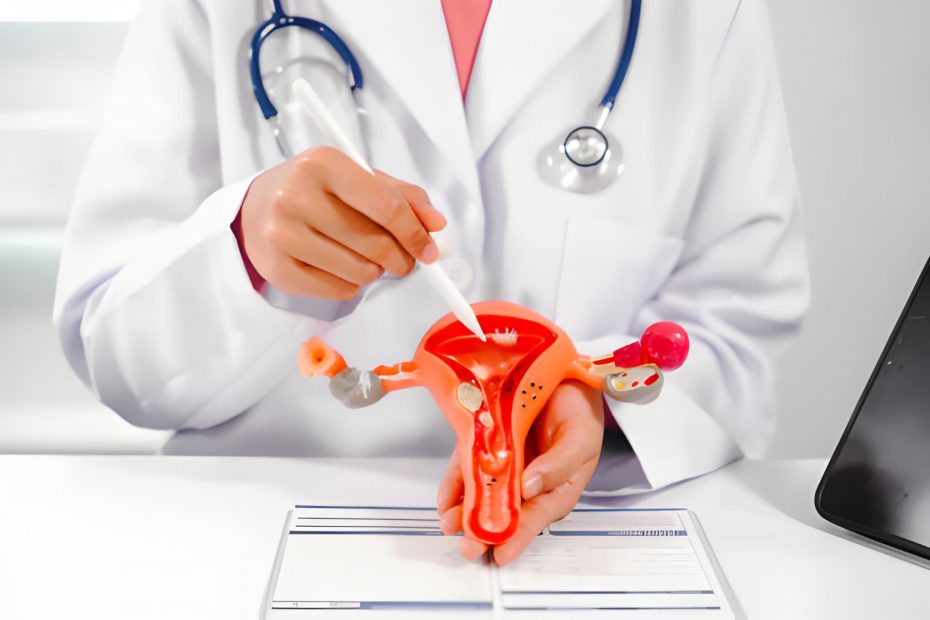
Endometriosis can leave many women feeling confused and worried, especially when pain, inflammation, or fertility issues start to affect daily life. The condition happens when tissue similar to the lining of the uterus grows outside it, which can lead to discomfort and trouble getting pregnant. Because of this, many women want to know whether hormonal therapy can help or if it might make conceiving harder. If you live in Los Angeles and are concerned about your symptoms or your future fertility, a Visit to a Fertility Specialist can help you understand your options.
Hormonal therapy is a common treatment to reduce pain and slow the growth of endometriosis, but it doesn’t work the same way for everyone. Some hormonal treatments stop ovulation, which makes pregnancy difficult during use. Others may lower inflammation and help create a healthier environment for conception. Since every woman’s body and goals are different, understanding how each option works is important for choosing the right fertility-friendly plan.
Understanding Endometriosis and Hormones
Hormones play a large role in endometriosis. Each month, estrogen causes the uterine lining to thicken. But when endometriosis lesions—tissue growing outside the uterus—respond to the same hormones, they can swell, bleed, and cause pain. Hormonal therapy aims to reduce or balance these hormones, so symptoms become easier to manage.
Why Hormonal Therapy Is Often Used
- It lowers estrogen levels.
- It helps reduce inflammation.
- It helps control painful periods.
- It may reduce flare-ups.
While hormonal therapy relieves symptoms, some treatments prevent ovulation, making natural pregnancy impossible during use. Knowing the difference between pain relief and fertility support helps women choose the right option.
Types of Hormonal Therapy for Endometriosis
1. Birth Control Pills
These pills are often the first treatment offered. They can reduce period pain and bleeding. However, they may also stop ovulation, which means they are not used when you are trying to get pregnant.
2. Progestin-Only Treatments
Progestin helps thin the uterine lining and reduce pain. It may also calm the growth of endometriosis. For some women, progestin may help reduce inflammation that affects fertility, but it still often prevents ovulation.
3. IUD with Hormones
A hormonal IUD releases progestin directly into the uterus. It helps with pain and heavy bleeding, but does not support fertility while it is in place.
4. GnRH Agonists and Antagonists
These medicines place your body in a temporary “low-estrogen” state. They can shrink lesions but also stop ovulation.
5. Aromatase Inhibitors
These are used when other treatments have not worked. They lower estrogen even more and are often paired with other hormone medications. They may support fertility in special cases, but must be used with care.
Why Proper Evaluation Matters
A complete Endometriosis Evaluation is one of the best steps in understanding fertility health. This evaluation often includes:
- A detailed medical history
- Pelvic exam
- Ultrasound
- MRI (in advanced cases)
- Review of symptoms
- Hormone testing
- Discussion of fertility goals
An evaluation helps determine if hormonal therapy, surgery, or a mixed approach is the right plan. Many women find that an accurate diagnosis helps them understand why they have pain or trouble getting pregnant. It also helps doctors create a treatment plan that supports long-term reproductive health, not just short-term symptom relief.
What About Pain, Surgery, and Fertility?
Many women with endometriosis also struggle with pelvic pain. Pain can affect daily life, work, relationships, and emotional well-being. If pain is severe, some women see Los Angeles Pelvic pain experts for advanced support. Pelvic pain experts understand how endometriosis connects to nerves, the pelvic floor, digestion, and inflammation. High-quality excision surgery, done by a skilled surgeon, is often the most effective long-term treatment for both pain and fertility. Unlike ablation, which only burns the top layer, excision removes lesions from the root. This may:
- Improve natural conception
- Reduce inflammation
- Lower the chance of recurrence
- Improve pelvic function
- Protect ovarian reserve
Hormonal therapy can be used before or after surgery, depending on the doctor’s plan and your personal goals.
Hormonal Therapy vs. Fertility Treatment
Many women with endometriosis want to know if they will need IVF or other fertility treatments. The truth is that each case is different. Some women conceive naturally after surgery. Others may need IVF to bypass scar tissue or inflammation. Hormonal therapy does not replace fertility treatment, but it may support the process by:
- Preparing the uterus
- Lowering inflammation
- Resetting hormone balance
- Reducing pain so daily life is easier
- The best plan is always personalized.
FAQ
No. It only manages symptoms. The most effective long-term treatment is excision surgery.
Most hormonal treatments prevent ovulation, so pregnancy is unlikely.
It supports pain relief and inflammation but does not directly improve fertility.
Always talk to your doctor first. They will create a safe plan for stopping treatment.
Many women benefit from excision surgery, fertility-focused care, or a combination of both.
Conclusion
Hormonal therapy can help manage endometriosis symptoms, but it is not always the best choice when trying to get pregnant. Understanding your goals, your symptoms, and your fertility needs makes it easier to choose the right treatment path. If you are in Los Angeles and looking for expert guidance, the team at the Center for Endometriosis and Fertility offers advanced care to help you manage your condition and support your fertility journey.